
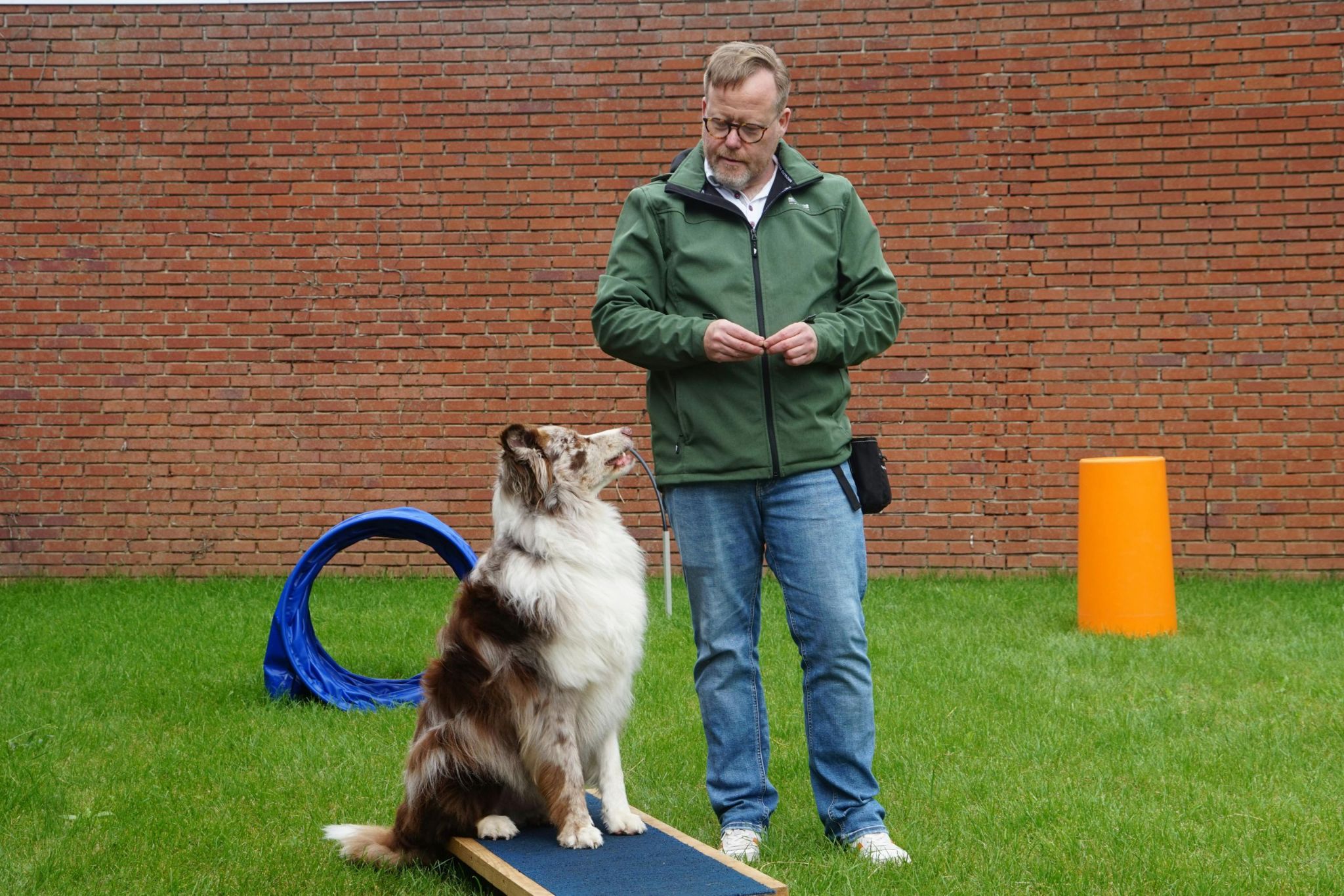
Every dog owner eventually encounters a moment where their pet simply refuses to cooperate. When your standard cues are ignored, it is easy to label your dog as “stubborn,” but stubbornness is rarely the root cause. More often, your dog is actually experiencing a lack of clarity, low motivation, or unaddressed environmental stress.
Shifting your approach from demanding your dog’s compliance to understanding what drives them can transform your daily practice. By learning to decode behavioral triggers and adjusting your methods, you can unlock an enthusiastic training partner.
Decoding the Root Cause of “Stubborn” Behavior
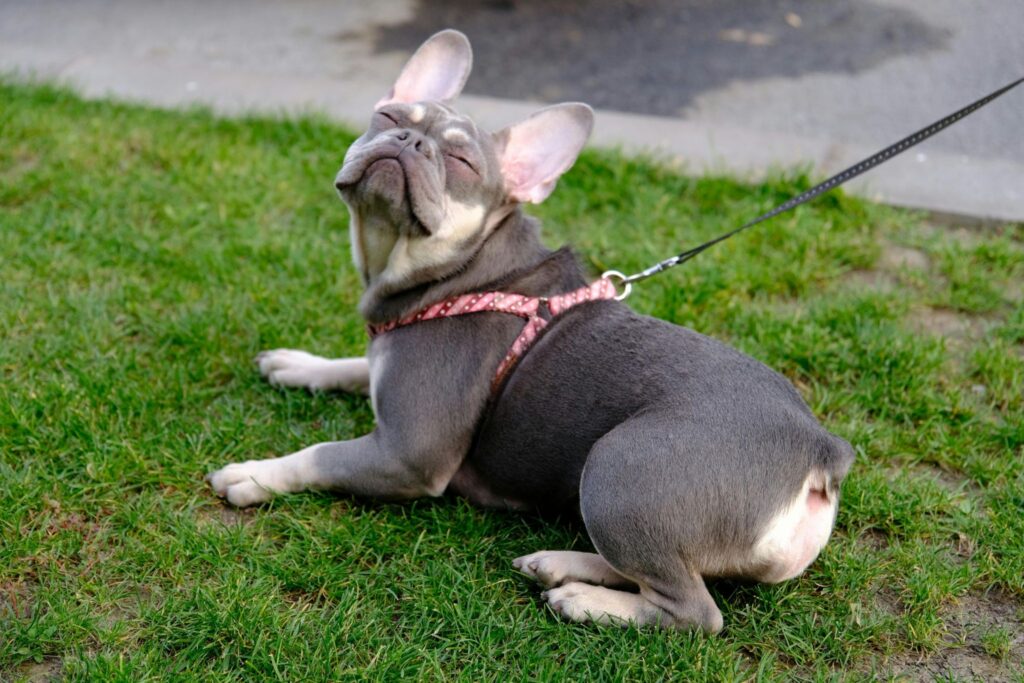
If a dog tunes you out, they are usually responding to a specific trigger. Dogs aren’t wired to have true stubbornness – they are not spiteful or defying you on purpose. Instead, consider these common underlying factors:
- Overstimulation or Fear: A crowded park or a noisy street can trigger anxiety or sensory overload. When a dog’s brain is flooded with stress hormones, their ability to process commands shuts down.
- Confusion: If you are teaching a cue inconsistently, your dog may genuinely not understand what you are asking. For example, using “down” to mean both “lie down on the floor” and “get off the couch” causes cognitive friction.
- Low Value Proposition: Dogs are natural opportunists. If the reward you are offering does not outweigh the distraction they are focusing on, they will choose the distraction.
If you can learn how to recognize these states, you can start guiding your dog through their distractions. For deep-seated habits or intense reactivity, you might consider seeking professional dog behavior training to help isolate individual triggers safely.
Actionable Strategies to Boost Motivation
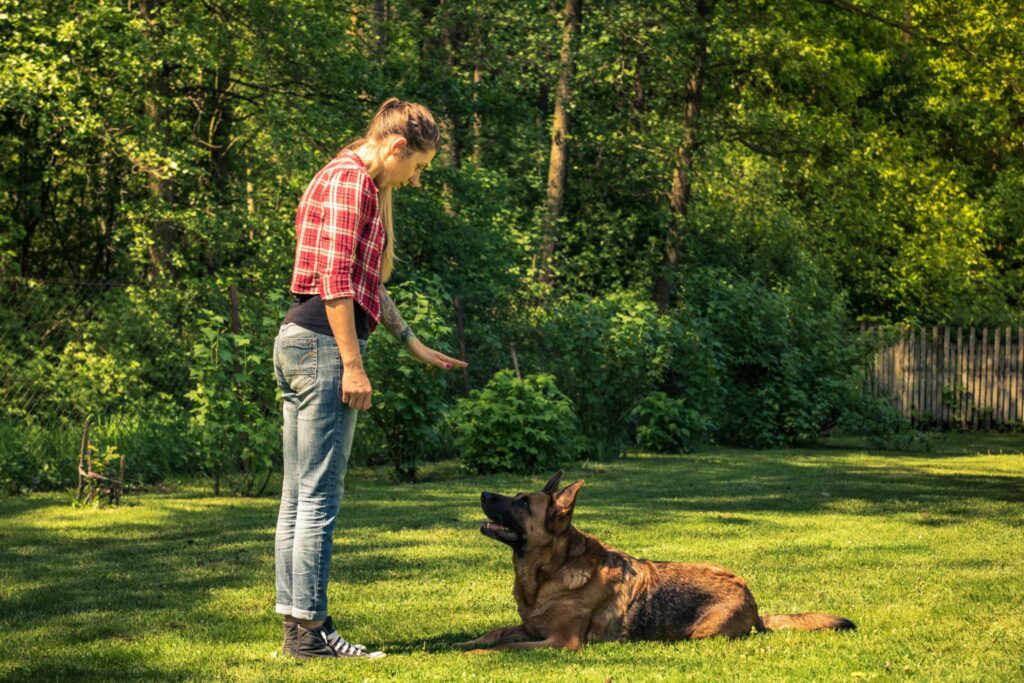
To build reliable focus, you need to make working with you the most rewarding choice in the room. You can implement several practical changes to your routine immediately.
Up the Ante with High-Value Rewards
When working with a challenging trainee, switch to high-value, aromatic rewards like freeze-dried liver, plain chicken, or string cheese. Reserve these premium treats exclusively for your active training sessions so they maintain their novelty and appeal.
Incorporate Play Reinforcement
Not every dog is driven by food. For toy-motivated dogs, a 10-second game of tug or a quick ball toss can be a very powerful reward. Integrating play like this keeps your dog’s adrenaline going, making dog obedience training feel like a game to them.
Keep Sessions Short and Punchy
Long, repetitive drills are boring to dogs, which will cause them to tune you out. Limit your focused training blocks to just two or three minutes at a time, a few times a day. Ending a session while your dog is still excited and successful ensures they stay eager for the next one.
Prioritize Engagement Before Commands
Never ask your dog to perform a command until you have their focus. Spend the first minute of your session playing and rewarding eye contact. Once your dog is actively checking in and choosing to engage with you, introducing cues becomes significantly easier.
Tailor Your Training Style to Your Dog
Successful training requires flexibility. If your dog is easily intimidated, a stern voice can cause them to shut down. Conversely, a high-energy dog might interpret frantic praise as an invitation to wrestle. Match your energy to your dog’s current state, be calm and encouraging for anxious pups, and structured yet dynamic for high-drive dogs.
Build a Reliable Bond with Canine Unlimited
A challenging dog takes patience and consistency. If you are struggling to find the right motivational trigger or want hands-on guidance to break through a training plateau, the team at Canine Unlimited is here to help. Contact our Tulsa trainers today to set up a personalized evaluation and set your dog up for long-term success.