
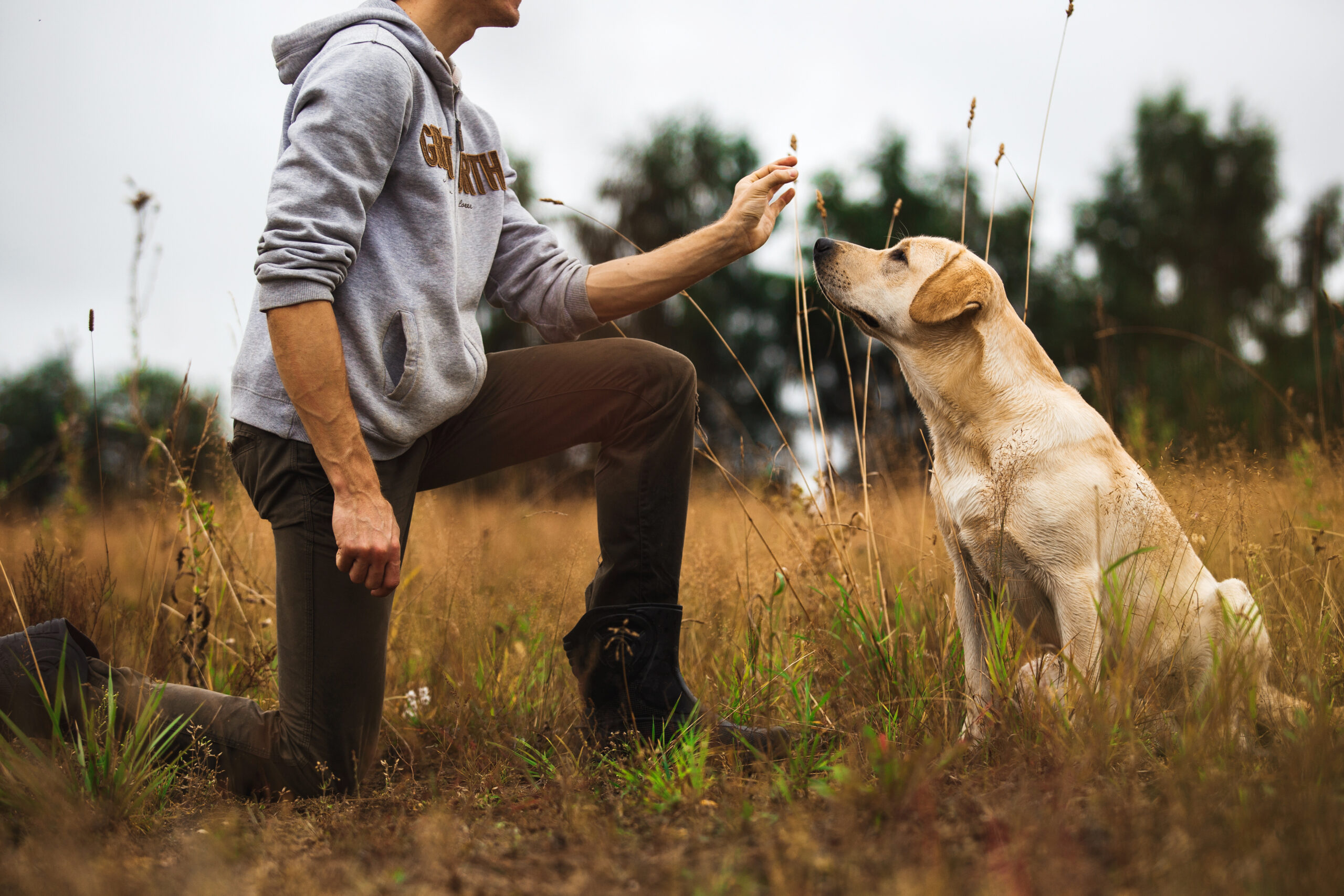
Why is it that some dogs seem to naturally pick up commands in a single afternoon, while others seem uninterested in listening? This wide gap in responsiveness often leads dog owners to search for patterns, questioning whether certain types of dogs are simply born more receptive to training than others.
But true trainability is rarely a simple equation. It consists of several intersecting characteristics unique to each dog, and to understand how a dog learns, we have to look past the common beliefs and examine the actual drivers of canine behavior: breed tendencies, developmental age, early life socialization, and individual temperament.
The Core Drivers of Canine Learning
Breed
A common belief is that breed is the main factor in a dog’s trainability. It’s true that different breeds have been historically selected for specific tasks, which leaves them with baseline instincts. A herding dog, for example, might track human movement, while a hound is driven by scent. Because of these hardwired traits, certain dogs grasp specific mechanical tasks quickly, although this often is mistaken for general intelligence.
Activity Needs
A highly focused mind does not automatically guarantee an easy training experience. An exceptionally smart dog can become easily bored and develop its own problematic behaviors to stay occupied if their environment lacks structured stimulation. Conversely, dogs labeled as stubborn are usually just driven by different motivators. Success relies on discovering what truly drives the individual animal, whether that is a high-value treat, a favorite toy, or a game of tug, rather than forcing a rigid system.
Age
Trainability is also shaped by the dog’s developmental age. Puppies have brains like sponges, which makes them ideal candidates for building positive habits from the beginning. Older dogs can learn new behaviors, but the process requires extra patience because you are often working to undo months or years of engrained, self-rewarding habits.
Socialization
Early-life socialization is also a major factor in a dog’s trainability. Early experiences will dictate a dog’s emotional stability as an adult. A well-socialized animal handles new environments with confidence, allowing them to focus entirely on their handler. A dog with limited early exposure may experience intense anxiety or fear in public spaces, which means their training must first focus on building basic environmental confidence before tackling advanced skills.
Temperament
Finally, all of these elements culminate in the dog’s unique individual temperament. Even within the exact same litter, you will find bold dogs, sensitive dogs, and independent dogs. Sensitive animals can easily shut down under intense pressure, and they require a gentle, highly reinforcing approach to keep their confidence intact. On the other hand, energetic dogs require dynamic, fast-paced sessions that burn physical energy while challenging their minds.
Customizing Your Training Approach
Instead of working against your dog’s natural traits or letting a stereotype dictate your expectations, it’s important to seek effective training that considers the individual animal. For severe behavioral challenges like reactivity, resource guarding, or separation anxiety, specialized dog behavior training targets the underlying emotional cause of the action rather than just suppressing the symptom. For everyday manners, consistent dog obedience training creates a reliable, clear line of communication between you and your dog, regardless of their background.
Every dog has the capacity to become a well-mannered companion when given the proper guidance. If you are struggling to connect with your dog or feel overwhelmed by a specific behavioral challenge, you do not have to figure it out alone. Canine Unlimited looks past the generic labels to evaluate your dog’s unique personality and biological traits. Unlock your dog’s full potential and contact us today to schedule a consultation.